
1. Understanding PUR for Textiles
What is PUR?
PUR (Polyurethane Reactive) is a versatile adhesive used in the textile industry for bonding materials like fabrics, leathers, and other flexible substrates. Its strong bonding capabilities and resistance to environmental factors make it ideal for various applications.
Benefits of Using PUR for Textiles
Excellent adhesion to multiple substrates
High flexibility and elasticity
Resistance to water and chemicals
Durability in demanding environments
2. Required Tools and Materials
Essential Tools for Application
Adhesive applicator gun
PUR adhesive (specific to textile applications)
Protective gear (gloves, mask, goggles)
Measuring tools (ruler or measuring tape)
Cleaning supplies (solvent, cloth)
Pressing tools or weights
3. Step-by-Step Guide to Applying PUR for Textiles
Step 1: Prepare the Surface
Ensure the textiles are clean and dry. Use a solvent to remove any oils or contamination.
Step 2: Measure and Cut Textiles
Accurately measure the fabrics to ensure proper alignment and cut them to size using scissors or a cutting tool.
Step 3: Mix the PUR Adhesive
If your PUR adhesive requires mixing, follow the manufacturer's instructions carefully. It is crucial to achieve the proper ratio for effective bonding.
Step 4: Apply the PUR Adhesive
Using the applicator gun, apply an even layer of PUR adhesive on one surface of the textile. Avoid over-application to prevent excess squeeze-out.
Step 5: Join the Surfaces
Carefully align the second piece of fabric with the first and press them together. Ensure that there are no air bubbles trapped between the layers.
Step 6: Apply Pressure
Use weights or pressing tools to apply consistent pressure to the bonded areas. This will help achieve a strong bond.
Step 7: Cure Time
Allow the adhesive to cure as per the manufacturer's recommendations. Avoid disturbing the bond during this period.
4. Common Mistakes to Avoid
Improper Surface Preparation
Failing to clean and prepare the surfaces may lead to weak adhesion.
Applying Excess Adhesive
Over-applying PUR can cause it to squeeze out from the edges, leading to messy finishes.
Ignoring Cure Time
Not allowing sufficient cure time can compromise the strength of the bond.
Improper Alignment
Misalignment of fabrics can lead to defects in the final product. Take time to align properly before applying pressure.
5. Conclusion
Using PUR for Textile applications can significantly enhance the durability and performance of your fabric products. By following this step-by-step guide and knowing what tools are necessary, you can achieve optimal results. Always remember, careful preparation and execution are key in the application process. Jiwei is committed to providing quality PUR solutions for the textile industry. For more information, consider our resources and tools at 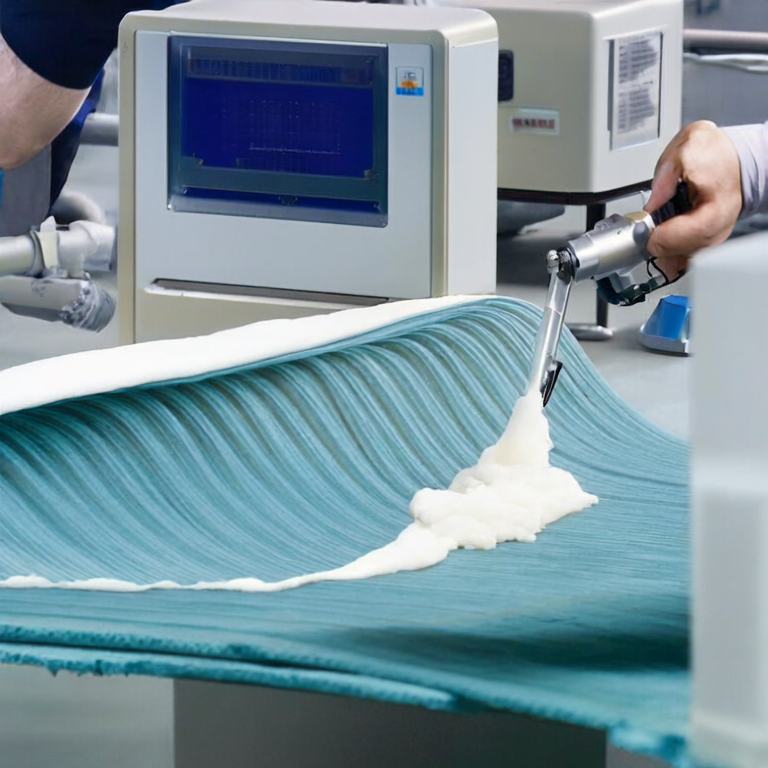 .





