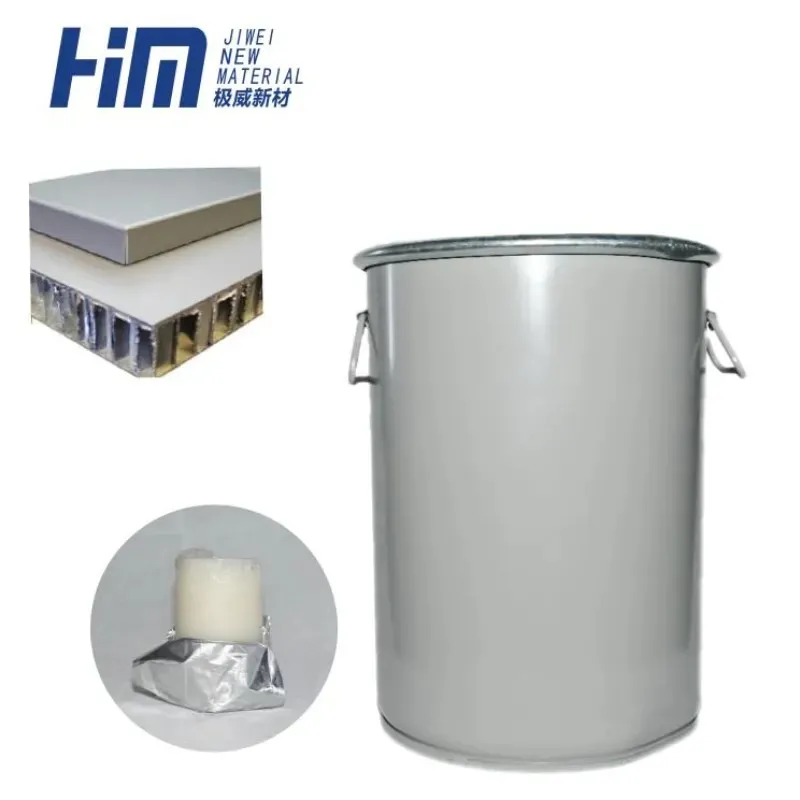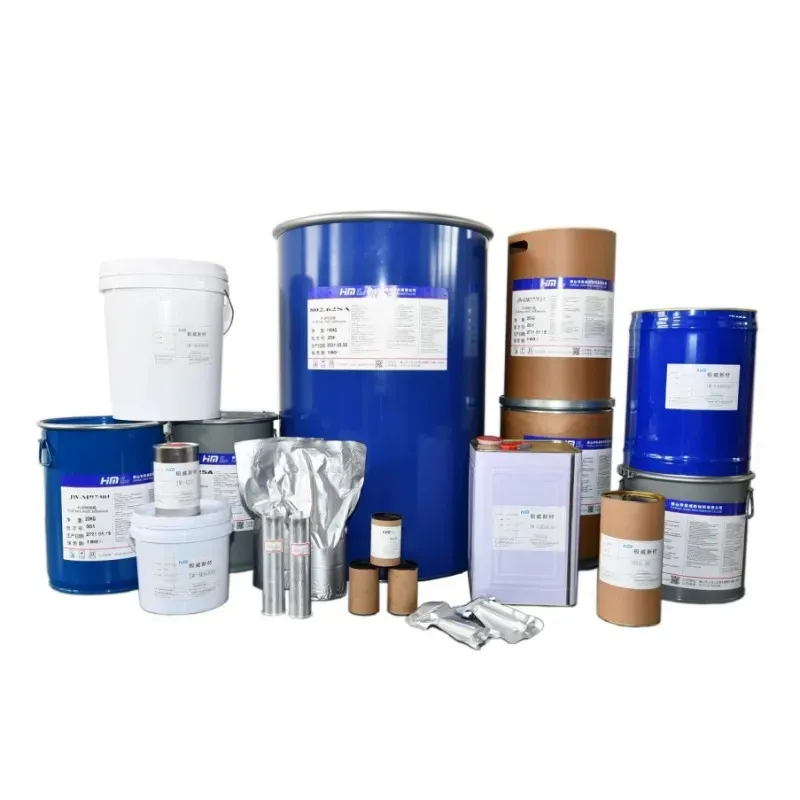
The right PUR Hot Melt Adhesive is selected by matching substrate compatibility, required open and set time, viscosity, application temperature, dispensing equipment, curing conditions, and service environment. I recommend defining these variables before comparing products because a formulation that performs well on wood may behave differently on plastics, metals, textiles, or coated surfaces.
In this guide, I explain how to choose the right PUR hot melt adhesive through a measurable selection process. I cover moisture-curing chemistry, bond-line design, application equipment, storage, cleaning, qualification testing, and total operating cost, with practical considerations for furniture, woodworking, packaging, automotive interiors, textiles, and other manufacturing operations.
!
What Is PUR Hot Melt Adhesive?
PUR hot melt adhesive is a polyurethane reactive adhesive that is applied in a molten state and then develops additional strength through a moisture-curing reaction. Unlike a conventional thermoplastic hot melt, the adhesive does not rely only on cooling to form its final bond. After application, reactive groups in the polyurethane respond with moisture from the surrounding air or substrates, creating a crosslinked structure.
This two-stage behavior explains why PUR hot melt adhesive can provide strong adhesion, improved water resistance, and higher temperature performance than many EVA hot melt products. The same chemistry also introduces handling requirements, including moisture-controlled storage, sealed equipment, controlled cleaning, and an appropriate curing period before the finished part reaches its target performance.
How to Choose the Right PUR Hot Melt Adhesive for Your Application
I use the following sequence when selecting a PUR grade for production. Each step converts a general application requirement into a specification that can be tested, documented, and approved before full-scale manufacturing.
1. Define the Substrates and Surface Conditions
Start by listing every material that the adhesive must join, including wood, MDF, plywood, laminate, PVC, ABS, aluminum, steel, glass, foam, fabric, paper, and coated surfaces. Record whether each surface is porous, smooth, flexible, oily, painted, printed, laminated, or treated with a release coating. Substrate compatibility is often more important than nominal bond strength because surface energy, moisture content, and contamination determine how well the adhesive wets and anchors.
For wood and engineered panels, measure moisture content and identify whether the surface contains resin, wax, dust, or finishing chemicals. For plastics, identify the exact polymer because ABS, PVC, polypropylene, polyethylene, and polycarbonate can require different surface preparation or primer systems. For metals, check oxidation, oil residue, and surface roughness before deciding whether the PUR adhesive can bond directly.
I also define the bond-line geometry at this stage. A thin adhesive film may suit flat laminates, while porous or irregular surfaces may require a higher-viscosity grade that maintains coverage without excessive squeeze-out.
2. Translate Performance Requirements Into Testable Specifications
Next, describe the service conditions rather than relying on general terms such as durable or strong. Specify the expected temperature range, humidity exposure, contact with water, cleaning agents, oils, plasticizers, sunlight, vibration, impact, and repeated flexing. If the product is used in furniture, automotive interiors, or industrial panels, include the expected load direction and whether the joint will experience peel, shear, compression, or tensile stress.
A useful specification may include a minimum lap-shear value, a peel-strength target, a temperature-resistance range, a water-exposure duration, and a maximum allowable failure rate. The exact acceptance values should come from the finished product design and applicable industry standards, not from the adhesive supplier alone. I also recommend defining whether failure is acceptable in the adhesive layer, at the substrate interface, or within the substrate itself.
PUR adhesive bond strength can change during curing, so I separate initial green strength from final cured performance. This prevents a production team from rejecting a suitable adhesive because it has limited strength immediately after pressing, or from approving a grade that reaches final strength too slowly for the line speed.
3. Match Open Time, Set Time, and PUR Adhesive Curing Time
Open time is the period during which the adhesive remains sufficiently active for the second substrate to be positioned and bonded. Set time is the period required for the joint to achieve enough initial strength for handling or release from a fixture. Full cure is the longer period required for the moisture-curing reaction to approach its specified final performance.
These values must match the production sequence. A large panel with manual positioning may require an open time of several minutes, while a high-speed edge-banding or profile-wrapping line may need a faster set. If the open time is too short, operators may see incomplete wetting or premature skin formation; if it is too long, parts may shift, require longer fixtures, or reduce throughput.
Humidity affects PUR adhesive curing time because moisture participates in the reaction. Low humidity can slow final curing, while high humidity may accelerate surface skin formation and shorten the usable working window. I record plant temperature and relative humidity during trials because the same adhesive can show different curing behavior at 20°C and 30°C or under substantially different humidity levels.
4. Select Viscosity and Application Temperature
Hot melt adhesive viscosity controls how the material flows, wets the substrate, fills surface irregularities, and behaves through the dispensing system. Low-viscosity PUR products can support fine beads, spray patterns, and narrow bond lines, while higher-viscosity products can reduce sagging and improve coverage on vertical or uneven surfaces. The correct selection depends on the nozzle, pump, hose length, application speed, and desired coating weight.
Application temperature must be selected from the supplier's technical specification and confirmed on the actual equipment. Excessive heat can accelerate degradation, discoloration, or premature reaction, while insufficient heat may cause poor wetting, high pumping load, and inconsistent bead formation. I normally evaluate temperature stability at the melter, hose, and nozzle rather than recording only the controller setting.
The bond-line design also affects material usage. A bead that is too large increases cost and squeeze-out without necessarily increasing strength, while a bead that is too small may create voids or dry spots. During trials, I measure adhesive weight per part or per linear meter and compare it with the required bond performance.
5. Confirm Equipment, Storage, and Cleaning Requirements
PUR hot melt adhesive requires equipment that limits exposure to atmospheric moisture before application. Common systems include sealed cartridge units, bulk melters, heated hoses, precision nozzles, roller coaters, slot dies, and spray heads. The equipment must maintain a stable temperature, provide consistent pressure, and prevent cured adhesive from blocking filters, hoses, or nozzles.
Storage is equally important. Unopened containers should remain sealed and should be stored within the supplier's stated temperature and humidity limits. Once a container is opened, exposure to air can initiate curing at the surface or inside the package, reducing usable material and increasing the risk of blocked equipment.
Cleaning frequency should be treated as a production variable rather than an occasional maintenance task. I document the time needed to purge the system, replace filters, clean nozzles, and restart production after a shutdown. A PUR grade that performs well but requires frequent manual cleaning may have a higher total cost than a product with a slightly higher purchase price and longer operating intervals.
What Is the Difference Between PUR and EVA Hot Melt Adhesive?
The main difference between PUR and EVA hot melt adhesive is that EVA generally forms a thermoplastic bond through cooling, while PUR continues to cure through a moisture reaction after application. EVA can be easier to process, re-melt, and clean during routine operations, which can make it suitable for lower-cost applications with moderate service demands. PUR typically provides better resistance to moisture, heat, plasticizer migration, and long-term environmental exposure after full cure.
| Selection factor | PUR hot melt adhesive | EVA hot melt adhesive |
|---|---|---|
| Bond formation | Cooling followed by moisture curing | Primarily cooling and solidification |
| Water resistance | Generally higher after full cure | Depends strongly on formulation and exposure |
| Temperature resistance | Often higher after curing | Usually lower than reactive polyurethane grades |
| Open and set behavior | Requires control of moisture and curing conditions | More dependent on cooling and solidification |
| Reworkability | Limited after crosslinking | More readily softened by reheating |
| Equipment requirements | Sealed, moisture-controlled systems recommended | Simpler open or standard hot melt systems may be suitable |
| Purchase and operating cost | Often higher per kilogram | Often lower per kilogram |
| Typical use | Durable laminations, furniture, automotive, demanding assemblies | Packaging, general assembly, temporary or moderate-duty bonding |
I do not select PUR solely because it has a higher technical specification, and I do not select EVA solely because it costs less per kilogram. The correct choice depends on the required service life, production speed, rework policy, equipment investment, moisture exposure, and cost of product failure.
PUR Hot Melt Adhesive Application by Industry
Furniture and Woodworking
In furniture manufacturing, PUR is commonly evaluated for edge bonding, profile wrapping, decorative laminates, and panel assembly. The key variables are wood moisture, substrate porosity, pressing time, appearance requirements, and resistance to heat and household moisture. I recommend testing both the visible surface and the actual core material because MDF, particleboard, plywood, veneer, and laminated panels can produce different wetting and failure patterns.
Packaging
PUR hot melt adhesive for packaging applications can be useful when cartons, labels, films, or coated boards require improved resistance to temperature or moisture. The selection must account for line speed, compression time, application pattern, food-contact requirements where applicable, and the time between application and case handling. For fast lines, set speed and clean cutoff are often more important than maximum final strength.
Automotive Interiors
Automotive interior applications can expose the bond to heat cycles, humidity, vibration, plasticizers, cleaning chemicals, and repeated stress. For headliners, door panels, instrument-panel components, and trim assemblies, I test both immediate handling strength and aged performance after thermal and humidity conditioning. A flexible PUR grade may be preferable where substrates expand at different rates or where the assembly experiences repeated impact.
Textiles, Electronics, and Industrial Assemblies
Textile and foam laminations usually require controlled viscosity, flexible cured films, and a coating pattern that avoids stiff or visible areas. Electronics and industrial assemblies may require low-odor behavior, electrical compatibility, dimensional stability, and resistance to oils or cleaning fluids. These applications should be evaluated with the actual surface treatments and production cycle because laboratory coupons may not reproduce coating weight, pressure, or heat exposure accurately.
Practical Decision Matrix for PUR Selection
| Application condition | Specification to prioritize | PUR characteristic to evaluate |
|---|---|---|
| Large panels with manual positioning | Longer open time | Slower skin formation and stable wetting |
| High-speed automated assembly | Fast set time | Rapid green strength and clean cutoff |
| Porous wood or foam | Adequate wetting and penetration | Medium viscosity and controlled open time |
| Smooth low-energy plastic | Surface adhesion | Formulation compatibility or surface treatment |
| Vertical or irregular surfaces | Sag resistance | Higher viscosity or controlled bead profile |
| High humidity or water exposure | Final moisture resistance | Moisture-curing system with aged testing |
| Heat cycling | Thermal stability | Cured bond resistance across the design range |
| Flexible or mismatched substrates | Elastic stress absorption | Flexible cured film and peel resistance |
| Frequent production changes | Cleaning and restart control | Equipment-compatible grade with manageable purge time |
This matrix is a starting point, not a substitute for testing. When I work with a supplier such as Jiwei, I request the technical data sheet, safety information, recommended processing range, storage conditions, and application guidance before selecting a production grade. I then compare those figures with the actual line conditions rather than using a generic product description.
Sample Qualification Protocol Before Production
I use a three-stage qualification process to reduce technical and commercial risk. First, I prepare representative samples using production substrates, the proposed application temperature, the intended adhesive weight, and the actual pressing or clamping method. Each sample receives an identification code recording batch, date, temperature, humidity, operator, equipment setting, and cure age.
Second, I test initial handling strength at the planned release time and final bond performance after a defined curing period. I also expose samples to the expected service conditions, such as elevated temperature, high humidity, water immersion, detergent contact, thermal cycling, or repeated flexing. Acceptance criteria should include minimum strength, maximum delamination area, acceptable visual appearance, and a defined percentage of passing samples.
Third, I inspect failure surfaces and classify the result as adhesive failure, cohesive failure, substrate failure, void-related failure, contamination-related failure, or process-related failure. If the result is below target, I change one variable at a time, such as surface preparation, application temperature, adhesive weight, pressing time, or cure age. Before scale-up, I complete a production trial long enough to reveal nozzle blockage, viscosity drift, material waste, restart problems, and operator handling issues.
Total Cost of Ownership for PUR Hot Melt Adhesive
Purchase price per kilogram is only one part of PUR adhesive pricing. I calculate total cost by combining adhesive consumption, coating weight, scrap, equipment depreciation, energy use, cleaning labor, replacement filters, downtime, rejected assemblies, and throughput. A product with a higher unit price may reduce total cost if it requires less material, cures faster, produces fewer defects, or extends maintenance intervals.
For a simple comparison, I measure adhesive grams per part, parts per hour, average purge time per shift, cleaning labor hours per month, and the cost of defective assemblies. I then compare the cost per accepted part rather than the cost per container. This calculation provides a clearer basis for choosing between PUR and EVA when the application could technically use either chemistry.
Final Selection Checklist
Before approving a PUR hot melt adhesive, I confirm the following items:
- The adhesive is compatible with every production substrate and surface treatment.
- Open time, set time, and full curing time match the assembly sequence.
- Viscosity and application temperature suit the melter, hose, nozzle, roller, or spray system.
- Bond performance has been tested under heat, moisture, chemicals, impact, flexibility, and aging conditions.
- Storage, container handling, cleaning, and shutdown procedures are documented.
- Adhesive consumption, scrap, downtime, and maintenance costs have been included in the financial comparison.
- Production trials meet defined acceptance criteria before full-scale release.
Conclusion
How to Choose the Right PUR Hot Melt Adhesive for Your Application depends on measured compatibility, processing behavior, cured performance, equipment fit, and total operating cost. I recommend beginning with the substrate and service environment, then defining open time, set time, viscosity, application temperature, bond-line design, and PUR adhesive curing time. After that, confirm equipment and storage requirements through a controlled production trial.
The most reliable decision is not based on a single strength value or the lowest purchase price. It comes from comparing accepted parts per hour, material usage, failure rates, cleaning intervals, and aged bond performance under the actual conditions of use. Whether the application involves furniture, woodworking, packaging, automotive interiors, textiles, or industrial assemblies, I would approve a PUR Hot Melt Adhesive only after representative samples meet documented acceptance criteria and the supplier, including Jiwei where appropriate, can support the required technical and processing information.