Understanding EVA Hot Melt Adhesive
What is EVA Hot Melt Adhesive?
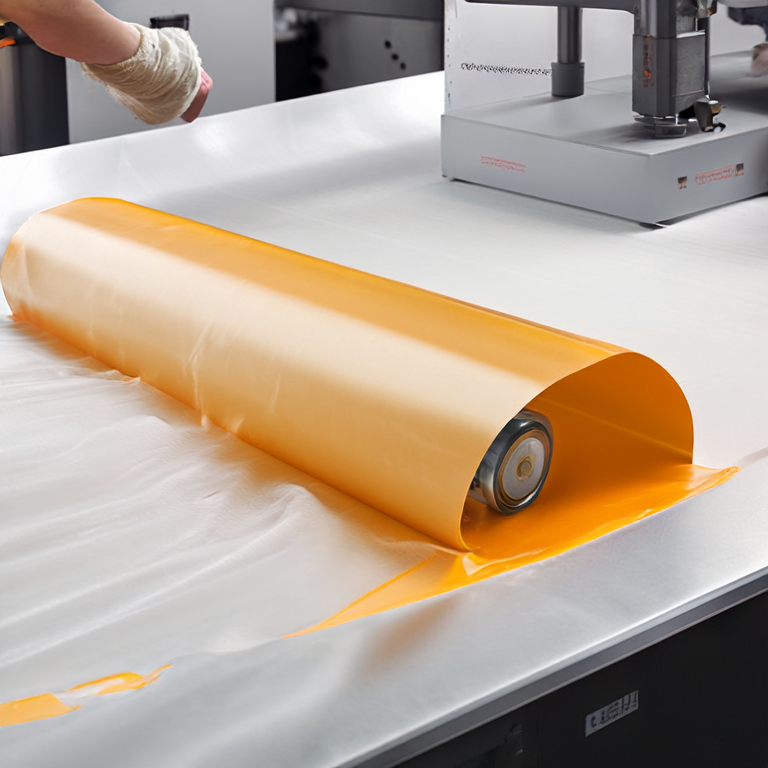
EVA (Ethylene Vinyl Acetate) hot melt adhesive is a thermoplastic adhesive that becomes pliable or fluid when heated and solidifies upon cooling. It is widely used for bonding various materials in industries like packaging, woodworking, and crafts.
Benefits of Using EVA Hot Melt Adhesive
- Fast-setting time
- Strong bond strength
- Versatility with different materials
- Resistant to moisture and temperature
Essential Tools and Materials Required
Tools Needed for Application
- Hot melt glue gun
- EVA hot melt adhesive sticks
- Cuts and scrapers
- Protective gloves
- Workspace cover (newspaper or plastic sheet)
Materials Suitable for Bonding
- Wood
- Paper and cardboard
- Textiles
- Plastics
Step-By-Step Guide to Using EVA Hot Melt Adhesive
Step 1: Prepare Your Workspace
Ensure that your workspace is clean and dust-free. Cover surfaces with a disposable sheet to avoid glue stains. Gather all your tools and materials nearby for easy access.
Step 2: Preheat the Hot Melt Glue Gun
Plug in your hot melt glue gun and allow it to preheat. This usually takes about 5-10 minutes. Ensure that the glue stick is loaded properly into the gun.
Step 3: Apply the EVA Hot Melt Adhesive
Once the glue gun is heated, gently squeeze the trigger to dispense the hot melt adhesive onto one surface of the material you are bonding. Use enough glue to cover the area but avoid excess to prevent dripping.
Step 4: Position the Materials
Quickly press the two surfaces together while the adhesive is still hot. Hold them in place for a few seconds to allow the adhesive to bond. Ensure alignment to avoid misplacement.
Step 5: Allow Time to Set
Let the glued materials sit undisturbed for a few minutes to allow the adhesive to cool and properly set. Follow the manufacturer's instructions for the exact setting time.
Common Mistakes to Avoid When Using EVA Hot Melt Adhesive
Using Too Much Adhesive
Overapplying glue can lead to an uneven bond and longer setting times. Use a moderate amount for best results.
Not Preheating the Glue Gun Adequately
Insufficient heating can cause the adhesive to be less effective. Always wait until the glue gun reaches the desired temperature.
Ignoring Safety Precautions
Hot melt adhesive can cause burns. Always use protective gloves and take caution during application.
Conclusion
Using EVA hot melt adhesive can greatly enhance your bonding projects when used effectively. By following these steps, utilizing the right tools, and avoiding common mistakes, you can achieve strong, reliable bonds for a variety of materials. For your EVA hot melt adhesive needs, trust Jiwei to deliver quality products that support your DIY and professional projects.