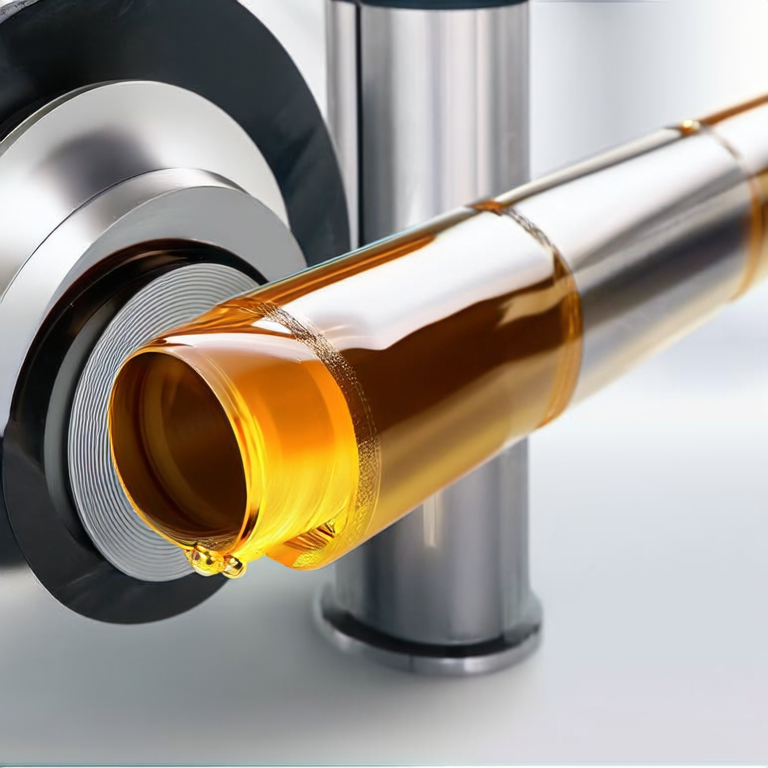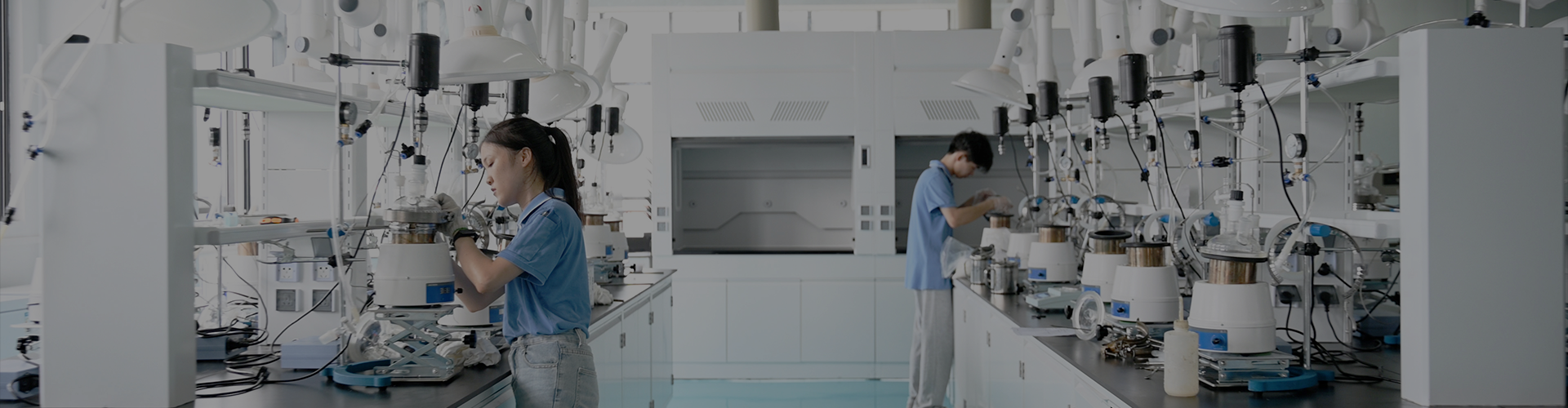
Polyurethane (PUR) has emerged as a game-changer in the textile industry, offering exceptional durability, flexibility, and performance. With its versatile applications ranging from coatings to adhesives, the significance of PUR in textiles cannot be overstated. This article will explore the best solutions for integrating PUR into textile production, highlighting practical steps that manufacturers can take to enhance their products and processes.
1. Understanding PUR in Textiles
Definition and Composition
Polyurethane (PUR) is a polymer composed of organic units joined by carbamate (urethane) links.
It can be tailored to meet specific performance criteria in textiles.
Key Properties
Resistance to wear, tear, and chemicals.
Flexibility that allows for a wide range of applications.
Waterproof and breathable, enhancing the comfort of the fabric.
2. Applications of PUR in Textile Production
Coatings
Water-resistant finishes that maintain breathability.
Durable protective layers that extend the life of fabrics.
Adhesives
Strong, flexible bonds for composite fabrics.
Potential applications in sportswear, outdoor gear, and industrial textiles.
Foams and Padding
Use in cushioning materials for comfort and insulation.
Applications in furniture, clothing, and safety equipment.
3. Benefits of Integrating PUR into Textile Manufacturing
Enhanced Durability
Longer product lifespans leading to less waste.
Cost-effective over time due to reduced replacement needs.
Improved Performance
Better moisture management and breathability under various conditions.
Increased aesthetic appeal with varied surface textures.
Eco-Friendly Options
Biodegradable PUR options are available, reducing environmental impact.
Recyclability can be considered in production processes.
4. Steps to Implement PUR Solutions in Textile Production
Step 1: Evaluate Your Needs
Identify specific performance requirements for your textiles.
Consider the intended end-use and customer preferences.
Step 2: Source Quality PUR Materials
Research suppliers that focus on high-quality, sustainable PUR.
Request samples to assess compatibility with your existing materials.
Step 3: Conduct Testing
Perform laboratory testing to evaluate physical and chemical properties.
Assess performance under end-use conditions (e.g., UV exposure, wash cycles).
Step 4: Train Your Workforce
Educate staff on new handling and application processes for PUR.
Update manufacturing protocols to include PUR integration.
Step 5: Monitor and Adjust
Collect feedback on product performance and customer satisfaction.
Regularly review your processes and make necessary adjustments.
5. Case Studies of Successful PUR Implementation
Brand A: Outdoor Gear
Implemented a PUR coating for weather resistance, resulting in a 30% sales increase.
Brand B: Sportswear
Utilized PUR adhesives for bonded seams, enhancing comfort and durability.
6. Conclusion: The Future of PUR in the Textile Industry
The integration of PUR into the textile industry represents a significant technological advancement. As demand for sustainable and high-performance materials continues to grow, PUR is poised to become an even more integral part of textile manufacturing. By following the aforementioned steps and leveraging the unique benefits of PUR, manufacturers can create innovative and sustainable textile solutions that meet the evolving needs of consumers.