Industrial hot melt adhesives are solvent-free bonding materials applied in a heated, molten state. Standard hot melts form a bond mainly by cooling, while PUR Hot Melt Adhesive also reacts with atmospheric moisture and crosslinks after application. In this guide, I explain the main adhesive chemistries, curing mechanisms, equipment requirements, selection criteria, applications, and practical troubleshooting methods used in manufacturing.
!
What Is PUR Hot Melt Adhesive?
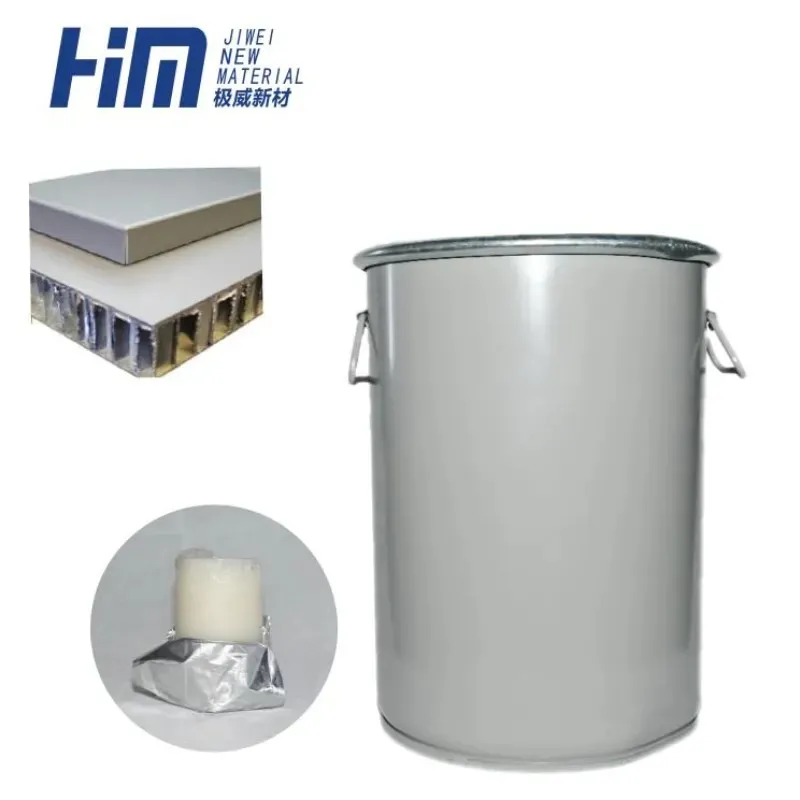
PUR hot melt adhesive is a polyurethane reactive hot melt adhesive supplied as a solvent-free, one-component solid. It is heated until its viscosity allows coating, spraying, slot-die application, bead dispensing, or roller transfer. The initial bond forms as the molten adhesive cools, while the remaining reactive groups absorb moisture and form a crosslinked polyurethane structure.
This two-stage bonding process explains why PUR can provide both rapid handling strength and longer-term resistance to heat, moisture, plasticizer migration, and environmental exposure. The final performance depends on adhesive chemistry, application temperature, substrate surface energy, bead geometry, open time, compression, humidity, and the manufacturer’s technical data sheet.
How PUR Hot Melt Adhesive Works
I treat PUR bonding as a controlled sequence rather than a single heating operation. First, the adhesive is melted inside a heated tank, hose, nozzle, roller, or slot-die head. Second, the molten adhesive wets both surfaces and creates an initial physical bond as the temperature falls below the set point. Third, moisture diffuses into the adhesive and reacts with isocyanate-terminated polyurethane prepolymers.
Moisture curing normally continues after the assembly leaves the production line. Initial handling strength may develop within minutes, but full crosslinking can require approximately 24–72 hours depending on film thickness, ambient humidity, substrate permeability, and formulation. A thick, closed bead cures more slowly than a thin film exposed to moisture on a large surface area.
Manufacturers should control adhesive exposure to humidity before application. Open containers, wet substrates, excessive ambient moisture, or poorly sealed tanks can cause premature reaction, foaming, nozzle blockage, and unstable viscosity. Operators should follow the supplier’s storage range, commonly keep unopened material sealed, and use dry compressed air or nitrogen where the dispensing system requires moisture control.
Main PUR Hot Melt Adhesive Types
Different PUR adhesive types are formulated for different substrates, coating methods, and production speeds. I recommend classifying them by application first and by viscosity or cure profile second.
PUR for Edge Banding
Edge-banding grades bond PVC, ABS, acrylic, melamine, veneer, and solid-wood edging to MDF, particleboard, plywood, and other panel products. They are designed for thin, controlled films, short compression times, clean appearance, and resistance to moisture at the finished edge. Production trials should measure edge lift, glue-line visibility, trimming quality, and bond strength after conditioning.
PUR for Flat Lamination
Flat-lamination PUR adhesives bond decorative films, laminates, foils, veneers, textiles, and protective layers to wood-based panels, plastics, metals, and composite boards. These grades require consistent coating weight and controlled nip pressure. A practical starting range for many industrial systems is an application temperature of approximately 100–140°C, but the exact value must come from the technical data sheet and equipment design.
PUR for Profile Wrapping
Profile-wrapping formulations are used on shaped wood, PVC, aluminum, and composite profiles. The adhesive must maintain suitable wetting while the decorative layer follows curves, corners, and changing cross-sections. Operators should evaluate open time, elastic recovery, surface appearance, and resistance to thermal cycling before approving a formulation.
High-Temperature and Flexible PUR Grades
High-temperature grades are selected for automotive interiors, appliances, construction components, and assemblies exposed to elevated service temperatures. Flexible grades are used for textiles, foams, films, footwear, and materials that experience repeated bending. A flexible adhesive should not be selected only by peel strength; elongation, fatigue resistance, plasticizer compatibility, and low-temperature behavior are also important.
How Other Hot Melt Chemistries Compare
PUR is only one part of the industrial hot melt adhesive market. I use the following matrix as an initial screening tool, not as a replacement for substrate trials or supplier data.
| Chemistry | Typical substrates | Approximate application range | Open time and set speed | Bond and temperature profile | Relative material cost |
|---|---|---|---|---|---|
| EVA | Paper, wood, fabric, some plastics | 120–180°C | Short to medium open time; fast set | Moderate heat and moisture resistance | Low |
| PUR | Wood, plastics, films, metals, textiles | 90–140°C for many grades | Medium open time; fast initial set, moisture cure afterward | High final bond strength and improved heat/moisture resistance | High |
| Polyolefin | Plastics, coated papers, difficult surfaces | 130–190°C | Medium open time; medium-fast set | Good chemical and moisture resistance | Medium |
| Metallocene | Packaging, films, nonwoven materials | 120–170°C | Consistent open time; clean set | Low odor, low density, and stable processing | Medium to high |
| APAO | Wood, packaging, automotive, construction | 140–190°C | Long open time; slower set | Good thermal stability and flexibility | Medium to high |
| Polyamide | Metals, textiles, electronics, engineering parts | 160–210°C | Short to medium open time | High temperature and chemical resistance | High |
| PSA hot melt | Labels, tapes, films, medical and graphic products | 120–180°C | Permanent tack rather than final set | Strong tack, but limited structural resistance | Medium |
EVA remains attractive when the process needs low material cost, simple equipment, and rapid cooling-based bonding. PUR hot melt adhesive is more suitable when the assembly needs stronger resistance after moisture curing, better performance on low-energy substrates, or a thinner bond line with durable adhesion.
PUR Hot Melt Adhesive vs EVA
The main PUR hot melt adhesive vs EVA difference is the curing mechanism. EVA depends primarily on cooling and can often be reheated, while PUR develops a crosslinked structure through moisture reaction and is less likely to soften under the same heat exposure after cure. PUR generally costs more per kilogram, but its higher final performance can reduce rework, delamination, and field failures in demanding assemblies.
EVA may be the better choice for short-life packaging, basic woodworking, bookbinding, and applications where the bond will not experience high heat or moisture. PUR is often preferred for furniture edge banding, automotive interiors, textile lamination, appliance components, and difficult combinations of plastics, films, wood, and coated materials. The correct comparison should include adhesive usage in grams per square meter, line speed, cleaning time, rejected parts, maintenance, and warranty exposure.
Step-by-Step PUR Application Process
1. Confirm Substrate Compatibility
I begin by identifying every surface in the assembly, including coatings, primers, inks, plasticizers, release agents, and recycled content. Clean, dry, and sufficiently high-energy surfaces usually provide more predictable wetting than dusty, oily, or heavily contaminated surfaces. For plastics and coated films, I test peel strength, cohesive failure, edge lift, and aging after heat and humidity conditioning.
Common mistakes include assuming that two materials with similar names have the same surface chemistry and applying adhesive over mold-release residue. Another frequent error is ignoring substrate moisture, especially in wood panels, recycled fiberboard, textiles, and porous materials. Moisture can accelerate curing at the interface but may also create bubbles, foaming, or dimensional movement.
2. Set Temperature, Viscosity, and Open Time
The adhesive temperature must be high enough to produce stable flow but low enough to limit thermal degradation and unnecessary curing inside the equipment. Many PUR systems operate within approximately 90–140°C, while other hot melt chemistries may require 120–210°C. I verify the supplier’s recommended temperature, viscosity at operating temperature, hose and nozzle limits, and maximum residence time before starting production.
Viscosity affects bead shape, coating weight, wetting, and penetration. A low-viscosity grade may spread efficiently on porous panels, while a higher-viscosity grade can maintain a bead on vertical or irregular surfaces. Operators should record tank temperature, hose temperature, nozzle temperature, adhesive pressure, line speed, and application weight at defined intervals.
3. Apply the Adhesive with Suitable Equipment
PUR hot melt adhesive can be dispensed through heated drums, melters, gear pumps, hoses, nozzles, slot dies, rollers, spray heads, or automated bead systems. Equipment should protect the adhesive from moisture and allow accurate temperature control. For automated production, the dispensing system should be matched to the adhesive’s viscosity, required output rate, bead width, substrate geometry, and line speed.
Compression time is equally important. If the adhesive requires 3–10 seconds of pressure to establish handling strength, the press, nip roller, belt, or fixture must maintain contact for that period at the actual production speed. Inadequate pressure can produce visible gaps, while excessive pressure can squeeze out the adhesive and create a starved bond line.
4. Control Moisture Curing and Handling
After initial cooling, the assembly should remain stable during the moisture-curing period. A thin adhesive film may reach useful strength faster than a thick bead, but full cure commonly takes 24–72 hours. Temperature, relative humidity, substrate permeability, and bond-line thickness all affect the result, so I recommend defining a release test that reflects the actual product rather than relying only on elapsed time.
Do not package or stack parts before the bond has reached the required handling strength. Sealed packaging can restrict moisture access and slow curing, while excessive humidity can cause premature reaction in exposed adhesive. Production teams should record cure conditions and retain samples for peel, shear, heat-aging, and humidity testing.
PUR Adhesive Industrial Applications
PUR adhesive industrial applications cover furniture, woodworking, automotive, textiles, packaging, appliances, electronics, footwear, construction, and profile wrapping. In furniture manufacturing, PUR is used for edge banding, flat lamination, membrane pressing, profile wrapping, and bonding decorative surfaces. Its moisture-cured structure can support applications where the finished panel must resist cleaning fluids, humidity, and temperature variation.
Automotive interiors use PUR for films, fabrics, foams, trim components, acoustic materials, and selected body or interior assemblies. Textile manufacturers use it for fabric lamination, functional membranes, medical textiles, protective materials, and composite structures. Packaging producers may select PUR when coated boards, films, recycled corrugated materials, or high-speed lamination require more durable adhesion than a basic EVA system can provide.
Appliance and electronics manufacturers need to consider heat exposure, dimensional tolerances, electrical requirements, outgassing, and serviceability. Polyamide, epoxy, reactive polyurethane, and specialized electronic adhesives may be more appropriate than general-purpose PUR in high-temperature or electrically sensitive zones. The adhesive must be selected from the product’s actual thermal, mechanical, and regulatory requirements.
Industrial Troubleshooting Guide
| Visible problem | Likely causes | Corrective action |
|---|---|---|
| Edge lifting | Low coating weight, insufficient pressure, contaminated substrate, short open time | Increase controlled adhesive weight, clean surfaces, verify pressure and timing |
| Foaming or bubbles | Excess moisture, thick bead, overheated adhesive, damp substrate | Reduce moisture exposure, check temperature history, reduce film thickness |
| Poor wetting | Viscosity too high, temperature too low, low-energy surface | Confirm operating temperature, select a compatible grade, use approved surface treatment |
| Adhesive strings | Incorrect nozzle temperature, excessive open time, poor cutoff settings | Adjust nozzle and line speed, inspect dispensing head, verify grade suitability |
| Weak bond after 72 hours | Incompatible coating, insufficient moisture access, low application weight | Test surface chemistry, review bond thickness, confirm curing conditions |
| Nozzle blockage | Moisture ingress, cured residue, long residence time | Improve sealing, use approved cleaning procedures, reduce idle exposure |
Material Cost Versus Total Installed Cost
A PUR adhesive may have a higher purchase price than EVA, but material price alone does not determine economic performance. I calculate total installed cost using adhesive consumption, equipment purchase or rental, heated-hose maintenance, nozzle replacement, cleaning agents, labor, line downtime, rejected parts, energy consumption, and warranty risk.
For example, a line using 35 g/m² instead of 50 g/m² can reduce adhesive consumption by 30%, provided the bond still passes production and aging tests. A dispensing system that reduces startup waste by 2 kg per shift can save approximately 500 kg over 250 operating days. These calculations should use actual purchasing prices, line hours, scrap rates, and maintenance records rather than generic claims.
Jiwei, operated by Foshan Jiwei New Material Co., Ltd., states that it has produced curing reactive polyurethane hot melt adhesive products since 2009. Its published company information describes an R&D team with more than 10 doctoral and master’s-level researchers, 15 undergraduate staff, and more than 20 domestic and international R&D devices. The company also lists ISO9001, ISO14001, ISO45001, IATF16949, and RoHS-related credentials, as well as application coverage in woodworking, furniture, textiles, automotive, electronics, appliances, footwear, laminating, and edge banding.
How to Choose the Right PUR Hot Melt Adhesive
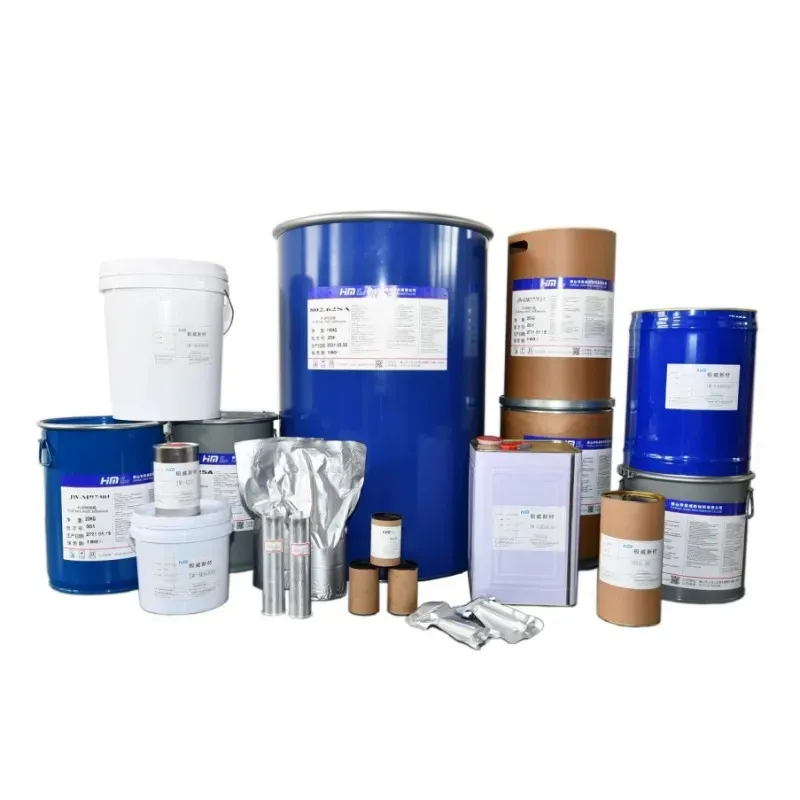
I use five selection filters before requesting a production quotation: substrate compatibility, viscosity, open time, set speed, and final service conditions. The technical data sheet should provide viscosity test temperature, recommended application temperature, density, open time, set time, cure profile, storage limits, and packaging details. It should also identify whether the grade is intended for manual, semi-automatic, or fully automated dispensing.
| Production requirement | Selection priority |
|---|---|
| Fast line speed | Short open time, rapid set, accurate compression |
| Flexible textile or film assembly | Elasticity, peel strength, fatigue resistance |
| Outdoor or humid service | Moisture-cured PUR, water resistance, aging data |
| Low-temperature processing | Grade approved for lower application temperature and compatible equipment |
| Recycled corrugated packaging | Surface tolerance, variable absorbency, recycled-fiber compatibility |
| High-temperature service | Heat-aging data, softening resistance, and substrate stability |
| Small manufacturing batch | Stable packaging, simple melter, low cleaning burden, technical support |
Jiwei’s published service information describes pre-sale and after-sale support, including equipment commissioning and technical guidance within 72 hours in its stated service scope. For a buyer, the practical question is whether the supplier can provide a trial formulation, application data, equipment settings, cleaning procedure, and documented acceptance criteria for the specific product.
Conclusion
PUR Hot Melt Adhesive Types and Industrial Applications should be evaluated through chemistry, process conditions, substrate behavior, and total installed cost rather than purchase price alone. PUR is generally appropriate when a manufacturer needs rapid initial handling, moisture-cured final strength, improved heat resistance, and reliable bonding across wood, plastics, films, textiles, metals, or composite materials.
My recommended next step is to collect the substrate list, target line speed, application method, coating weight, operating temperature, compression time, service temperature, and humidity exposure. Then compare PUR with EVA, polyolefin, metallocene, APAO, polyamide, and PSA alternatives using measured bond strength, cure time, waste, cleaning frequency, and rejected-part data. A controlled production trial and technical data sheet review will provide a more reliable decision than a generic adhesive ranking.