News

The Detailed Guide To The Various Types of Hot Melt Glue

Mar. 27, 2026

Share:

The Various Hot Melt Adhesive Types

A wide variety of adhesives are used in hot melts. There are numerous varieties of hot melt glue, and each has pros and cons of its own. To make sure you select the appropriate kind of hot melt adhesive for your application, it's critical to comprehend these variations.


EVA Hot Melt Adhesive

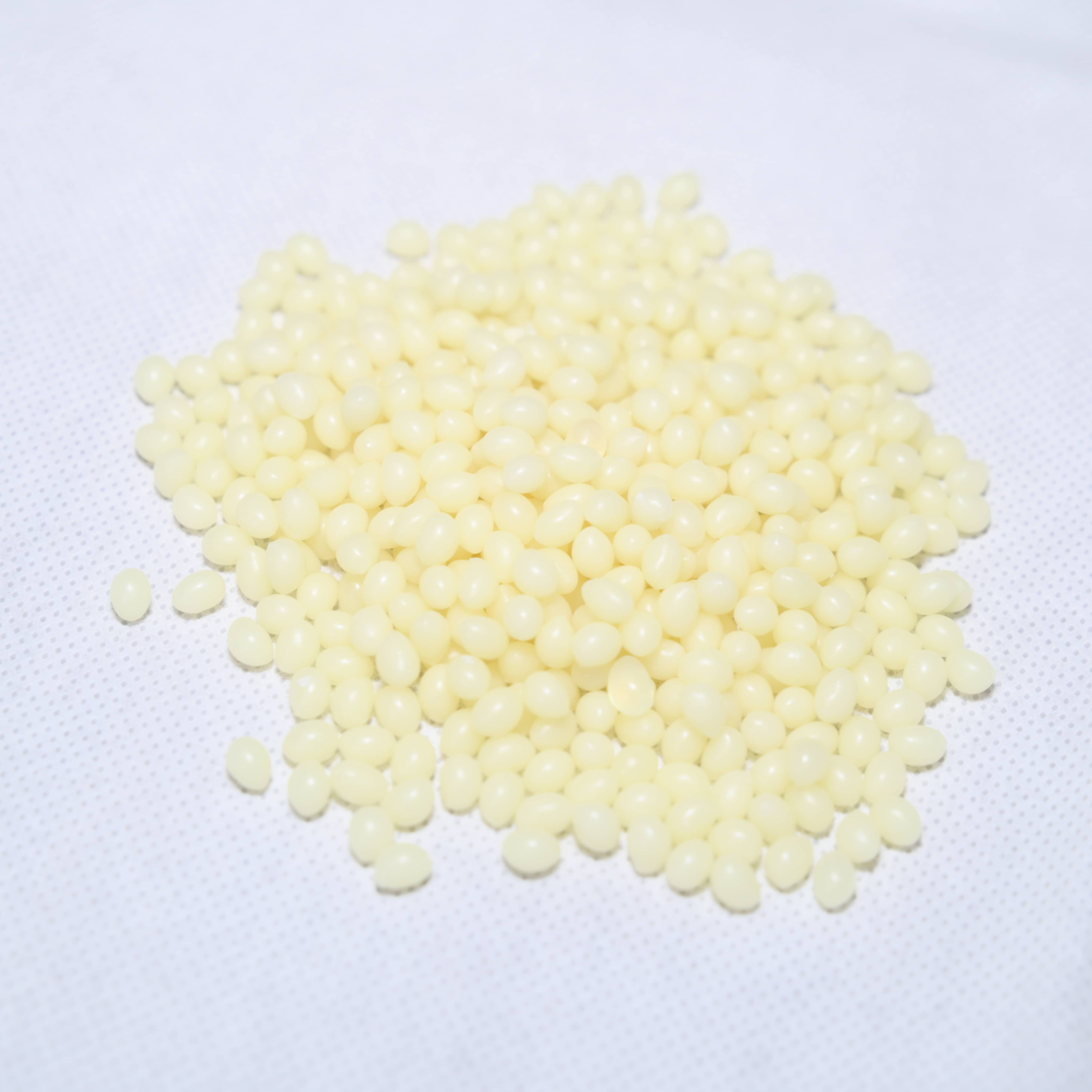
Among hot melt glues, EVA adhesives are the most widely used. As copolymer adhesives, they adhere to cellulosic materials with ease. Consequently, they are frequently employed in applications involving paper, packing, and assembly.  

The Detailed Guide To The Various Types of Hot Melt Glue


In contrast to other types of hot melt adhesives, EVA has one of the broadest temperature ranges and can adhere to a greater variety of surfaces. Better yet, the least expensive type of hot melt is typically EVA.


PUR Hot Melt Adhesive

The high strength of PUR hot melts is one of their main advantages. PUR hot melts, as opposed to conventional hot melts, will react with ambient moisture and change chemically rather than merely form a thermal bond. As a result, the bond will continue to strengthen over the next 24 hours.hey are stronger than conventional hot melt because of this feature, although they are typically more costly.

The Detailed Guide To The Various Types of Hot Melt Glue


Selecting the Proper Kind of Hot Melt Adhesive

Hot melts serve a variety of functions. Knowing more about the various kinds of hot melt glue might help you choose what you'll need for your application. Your production process, substrates, ambient conditions, and financial constraints should all be considered.


You're in luck if you still require assistance. We have professionals in adhesives who can help you and guide you in the proper way.


Latest News

JJul. 28, 2026

EVA Hot Melt Adhesive

Our EVA hot melt adhesive is a classic thermoplastic bonding material based on ethylene-vinyl acetate copolymer. It melts under heating (130–220℃) and forms a solid bond simply through cooling physical solidification, no chemical curing required. It is the most economical and reliable solution for mass-standard industrial bonding scenarios.

Learn More

JJul. 16, 2026

Tips for Using PUR for Textile

Adhesive applications in textiles often encounter challenges such as inaccurate bonding and material deterioration. These issues can cause product failures, maintenance costs, and damaged customer satisfaction. Using PUR (Polyurethane Reactive) adhesives can effectively address these problems, offering robust adhesion along with flexibility in application. By understanding how to utilize PUR

Learn More

JJul. 16, 2026

Review: PUR for Textile Applications

The PUR (Polyurethane Reactive) Textile Kits have revolutionized the industry by providing advanced solutions for various textile applications. Whether you're in fashion manufacturing, upholstery, or technical textiles, PUR's unique properties can address pain points like durability and adhesion. Many professionals face challenges with traditional adhesives failing under extreme conditions.

Learn More

JJun. 04, 2026

How to Select the Right PUR Glue for Different Wood Substrates & Veneer Materials

No universal PUR fits all applications. Woods differ in density, porosity and surface finish; veneers demand customized viscosity, open time and penetration. Improper selection causes weak bonds, edge curling and glue seepage. This guide details targeted PUR selection for common wood and veneer to secure perfect adhesion and higher production yield

Learn More

Want to speak to us?

The quickest way to identify the best solution for your needs is to speak with one of our team of experts. We'll be able to quickly narrow down your options and give you objective advice on the best fit.

START YOUR INQUIRY
