
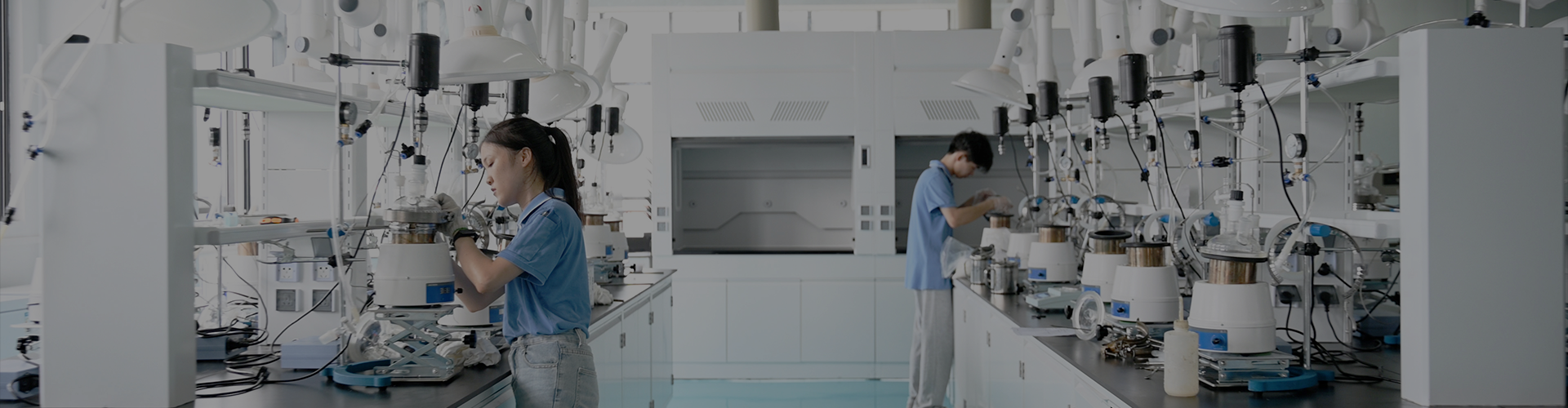
Tips for Handling Liquid PUR Adhesive Safely
Liquid PUR (polyurethane reactive) adhesive is widely used in various industries for its strong bonding capabilities. However, handling it improperly can lead to potential safety hazards, including skin irritation, respiratory issues, and environmental concerns. By adopting effective Liquid PUR application tools and techniques, users can ensure safety while maximizing the adhesive's performance. Below are actionable tips designed to mitigate risks associated with the usage of Liquid PUR adhesives, ensuring a safe work environment and effective results.
1. Use Proper Personal Protective Equipment (PPE)
Why: PPE protects against skin contact and inhalation of harmful vapors.
Always wear chemically resistant gloves, safety goggles, and a respirator mask when working with Liquid PUR adhesive. This equipment minimizes exposure to potentially harmful chemicals that can cause irritation or respiratory issues. Ensure that the PPE is compliant with OSHA regulations for hazardous materials. This practice is crucial for professionals handling bulk adhesives in manufacturing environments.
2. Ensure Adequate Ventilation
Why: Good airflow prevents the accumulation of toxic vapors.
Work in a well-ventilated area or use exhaust fans to ensure any harmful vapors are dispersed quickly. For operations inside enclosed spaces, portable air purification devices can also be deployed to maintain air quality. Adequate ventilation is particularly important for users working in confined areas, such as workshops or small production lines.
3. Follow Manufacturer's Instructions
Why: Adhering to instructions ensures proper handling and application methods.
Each Liquid PUR adhesive product may have specific application guidelines; hence, reviewing the safety data sheet (SDS) provided by the manufacturer is essential. For example, Jiwei adhesives come with detailed instructions regarding mixing ratios and curing times. Following these guidelines can prevent issues such as improper bonding or excess residue.
4. Store Adhesives Properly
Why: Proper storage reduces the risk of degradation and accidents.
Liquid PUR adhesives should be stored in a cool, dry place away from sunlight and temperature fluctuations. Make sure containers are tightly sealed when not in use to prevent spillage and maintain adhesive integrity. This practice is particularly critical for batch production environments where large quantities are stored.
5. Clean Up Spills Immediately
Why: Timely cleanup prevents slippery surfaces and potential chemical exposure.
In the event of a spill, use appropriate absorbent materials to clean it up promptly. Avoid using water as it can lead to a hazardous reaction with the adhesive. Equip your workspace with kits designed for chemical spills, ensuring you have the right materials for rapid response. This is especially useful in high-traffic areas where spills may occur frequently.
6. Dispose of Waste Responsibly
Why: Proper disposal minimizes environmental impact and regulatory breaches.
Liquid PUR adhesives must be disposed of according to local hazardous waste regulations. Contact your local waste management authority for guidelines on disposal methods. This is particularly important for businesses looking to maintain compliance and promote sustainability in their operations.
Key Points Summary
Handling Liquid PUR adhesive safely involves using appropriate PPE, ensuring proper ventilation, following manufacturer instructions, storing adhesives correctly, cleaning spills immediately, and responsible disposal of waste. By implementing these tips, users can mitigate risks while optimizing adhesive performance in various applications.
Frequently Asked Questions (FAQ)
What are the main dangers of handling Liquid PUR adhesive?
Users might face skin irritation, respiratory issues, and exposure to harmful fumes if proper safety measures are not followed.
How can I ensure the safety of my work environment when using Liquid PUR adhesives?
Ensure adequate ventilation, use proper PPE, and keep work areas clean to minimize risks associated with adhesive usage.
What should I do in case of skin contact with Liquid PUR adhesive?
If there is skin contact, remove contaminated clothing and wash the affected area with soap and water. Seek medical advice if irritation persists.
Where can I find high-quality Liquid PUR adhesives?
Consider brands like Jiwei that offer a range of Liquid PUR adhesives known for their performance and safety compliance.





