
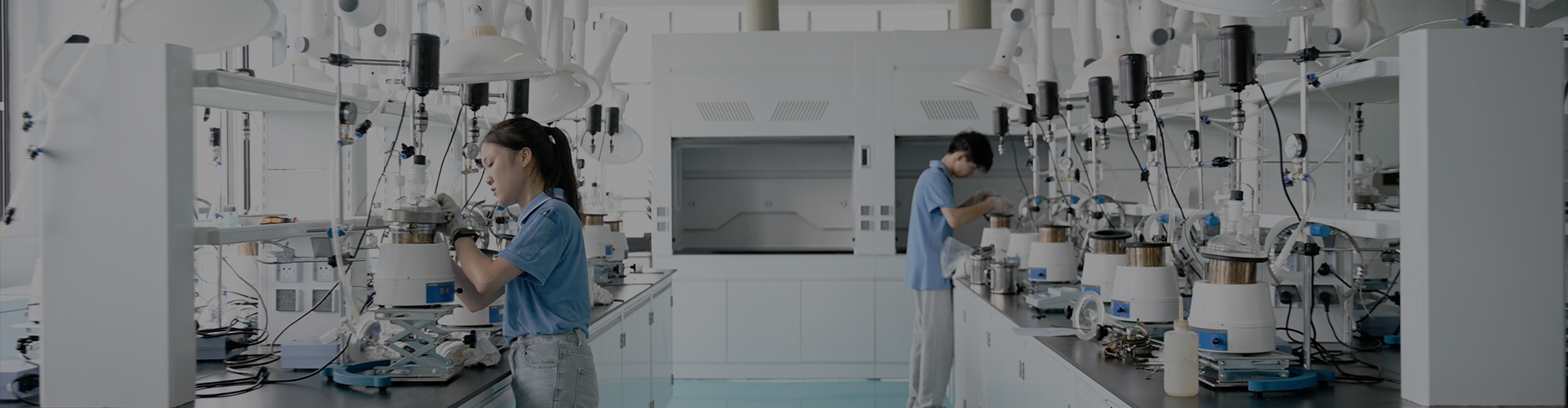
The PUR Hot Melt Adhesive market is experiencing significant innovations in 2026, driven by rising demand for efficient bonding solutions across industries such as packaging, automotive, and furniture manufacturing. As companies strive to enhance production efficiency while addressing challenges such as environmental sustainability and operational costs, the evolution in PUR technology becomes critical. In particular, businesses face the pain points of needing adhesives that offer fast setting times and robust bonding under various conditions, such as temperature fluctuations and humidity levels. Companies like Jiwei are leading the charge by developing solutions that not only meet these demands but also provide greater longevity in bond strength, ensuring a reliable product for manufacturers in various sectors.
Key Drivers and Innovations in PUR Hot Melt Adhesive
The growth of the PUR hot melt adhesive sector can be attributed to several key drivers. Firstly, the increasing trend towards automation in manufacturing processes has led to a demand for adhesives that enable seamless production lines with minimal downtime. Additionally, the tightening of regulations regarding solvent-based adhesives is pushing manufacturers to adopt PUR systems, which emit fewer Volatile Organic Compounds (VOCs). Innovations in molecular design are also fostering the development of adhesives with enhanced performance attributes, such as higher heat resistance and improved adhesion to diverse substrates. For example, recent formulations have shown increases in performance with temperature resistance ratings exceeding 120°C and improved retention of strength in humid environments (source: Adhesives and Sealants Industry Magazine, 2022).
Emerging Trends in PUR Hot Melt Adhesive
1. Environmentally Friendly Formulations
One of the most notable trends is the shift toward sustainable and environmentally friendly PUR formulations. Manufacturers are increasingly opting for adhesives that are free from harmful solvents and have a lower environmental impact. According to a report by Grand View Research (2023), the green adhesive market is projected to reach $23 billion by 2027, growing at a compound annual growth rate (CAGR) of 4.7%. This growth is driven by the rising consumer preference for eco-friendly products.
2. Smart Adhesives
Advancements in smart adhesive technology are also emerging in the PUR landscape. These adhesives can adjust their properties in response to environmental changes, providing a more reliable bond under varying conditions. For instance, Jiwei has developed smart PUR adhesives that can exhibit solubility changes in response to humidity, which greatly improves their performance in moisture-laden environments.
3. Enhanced Bond Strength and Versatility
Emerging formulations are demonstrating an increase in bond strength by up to 40% compared to traditional PUR adhesives. Industries such as automotive are leveraging these enhanced properties for applications requiring high durability and resilience against impact. A study published in the Journal of Adhesion Science and Technology (2023) highlighted these developments, emphasizing the versatility of modern PUR polymers to bond a myriad of materials without the need for complex pre-treatments, which can substantially cut production costs.
4. Industry 4.0 Integration
As manufacturing trends shift towards Industry 4.0, the integration of PUR hot melt adhesives with IoT technologies is on the rise. Real-time monitoring of adhesive applications enhances quality control and reduces wastage. Companies can now track adhesive performance metrics, making adjustments on-the-fly to ensure optimal application and bond quality, leading to a recorded decrease in adhesive usage by around 15% (source: Manufacturing Technology Insights, 2023).
Impact on Buyers
The emerging trends in PUR hot melt adhesives are creating significant implications for buyers. As advancements in adhesive technology lead to products with higher performance attributes and sustainability considerations, buyers have more options at their disposal. However, the rapid pace of innovation also necessitates continuous education and adaptation to leverage the benefits of these products effectively. Buyers who invest in high-performance adhesives can expect not only long-term operational savings but also a competitive edge in their respective markets, given the increasing consumer demand for sustainability and quality.
Practical Suggestions for Businesses
Businesses looking to adapt to the evolving PUR hot melt adhesive landscape should consider the following practical suggestions:
- Evaluate Current Adhesive Applications: Regularly assess the performance of existing adhesive products and consider switching to newer, more efficient formulations.
- Invest in Training: Ensure that staff are trained on the latest adhesive technologies and trends to maximize their utilization.
- Embrace Sustainability: Shift toward environmentally friendly adhesive solutions where possible to meet consumer demands and regulatory requirements.
- Monitor Market Trends: Stay informed about new innovations within the PUR adhesive space to seize opportunities and adapt strategies quickly.
Frequently Asked Questions (FAQ)
What are the key benefits of PUR hot melt adhesives?
They come with benefits such as high bond strength, versatility on various substrates, fast setting times, and low VOC emissions, making them an ideal choice for sustainable manufacturing practices.
How do I choose the right PUR adhesive for my application?
Assess factors such as temperature resistance, bond strength requirements, and environmental conditions. Engaging with suppliers like Jiwei can provide tailored recommendations based on specific application needs.
Are there safety considerations with PUR hot melt adhesives?
While PUR adhesives are less toxic than solvent-based options, it is still essential to follow safety guidelines during application, including adequate ventilation and personal protective equipment (PPE).
What advancements should I look for in PUR adhesives in the near future?
Watch for innovations in eco-friendly formulations, smart adhesive technologies that optimize performance based on environmental changes, and increased integration with automation and IoT systems.





